

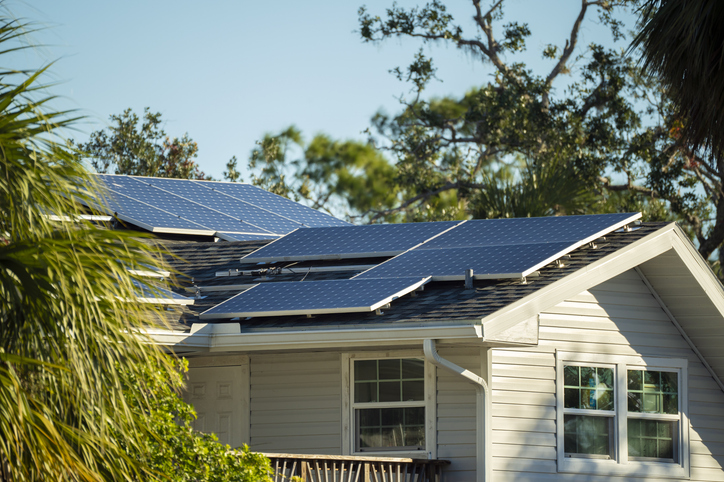
Late summer electricity bills, foggy mornings, and headlines about power outages have more Bay Area homeowners thinking seriously about solar. But even with solar becoming more common across neighborhoods from Palo Alto to Fremont and Dublin, many people still hesitate because of things they have heard over the years.
Some homeowners worry that coastal fog makes solar ineffective. Others assume it only makes sense if you can pay cash upfront or believe panels will automatically keep the lights on during a blackout. The truth is, a lot has changed in solar technology, and many of the most common concerns are based on outdated information.
If you have been wondering whether solar is actually worth it for your home, here are five common myths Bay Area homeowners still believe and what the facts really say.
1. Do Solar Panels Still Work on Foggy or Cloudy Days?
This is one of the biggest concerns homeowners have, especially along the Peninsula and other coastal parts of the Bay Area. It makes sense on the surface: if the sun is hidden behind fog or clouds, how can solar panels produce enough energy to matter?
The good news is that solar panels do not need constant, direct sunlight to generate electricity. They work by capturing daylight—not heat. Even on overcast days, panels continue producing energy using diffuse sunlight that passes through cloud cover.
In fact, cooler temperatures often help panels operate more efficiently than extreme heat.
Here are a few things many homeowners are surprised to learn:
- Solar panels still generate electricity during cloudy and foggy weather
- Cooler Bay Area temperatures can improve panel efficiency
- Rain helps wash dust and pollen off panels naturally
- Solar production estimates are based on local weather patterns, not perfect sunshine every day
That means a home in Palo Alto, Fremont, or even foggier parts of the Peninsula can still benefit from solar with the right system design.
2. Is Solar Only for Homeowners Who Can Pay Upfront?
A lot of people still think solar requires a large upfront investment. That may have been true years ago, but homeowners today have far more flexibility.
Many Bay Area households choose payment options that spread costs out over time rather than paying for everything at once. At the same time, rising utility rates have changed the math significantly compared to a decade ago.
Depending on energy usage and system size, monthly savings can often offset a portion of the payment.
Homeowners exploring solar today commonly look at:
- Financing options that reduce upfront costs
- Federal tax incentives that lower total project costs
- Energy savings over time as utility rates continue to increase
- Long-term value added to the home through lower operating expenses
The key is understanding what makes sense for your household, roof, and long-term goals, not assuming solar is only for homeowners with large cash reserves.
3. Will Solar Keep My Home Running During a Blackout?
This one surprises many homeowners.
A common assumption is that if solar panels are generating power on your roof, your home should still have electricity during a neighborhood outage. But for most standard systems, that is not how it works.
For safety reasons, grid-connected solar systems automatically shut off during outages. This protects utility crews working on nearby electrical lines.
If backup power during outages is important to you, a battery system becomes part of the conversation.
Battery storage can help homeowners:
- Keep essentials like refrigerators, Wi-Fi, and lighting running during outages
- Store excess energy generated during the day
- Reduce reliance on peak utility pricing during high-cost evening hours
- Improve energy independence during planned outages or grid disruptions
For Bay Area homeowners who have experienced PG&E shutoffs, understanding the difference between solar-only systems and battery-backed systems is especially important.
4. Will Solar Panels Damage My Roof?
This concern comes up often—and understandably so. Your roof protects your entire home.
Some homeowners worry that installing solar means leaks, structural problems, or damage that will shorten the roof’s lifespan.
When done properly, professional installation should not damage a healthy roof. In many cases, the covered portion of the roof actually experiences less wear because the panels provide an extra layer of protection from sun and weather exposure.
Before installation, reputable providers typically evaluate:
- Roof condition and remaining lifespan
- Structural suitability for solar equipment
- Proper waterproofing and flashing around mounting areas
- Placement that maximizes production while protecting roof integrity
If a roof already needs replacement, it is usually smarter to address that first rather than install panels prematurely.
5. Does Solar Really Take Too Long to Pay Off?
Another outdated belief is that solar takes so long to pay for itself that it is not worth the investment.
The reality looks different in a region where electricity costs continue to climb.
For many Bay Area homeowners, long-term utility savings are one of the biggest reasons to consider solar in the first place. While every home is different, many systems continue producing energy well after their initial costs have been recovered.
Several factors affect how quickly savings add up:
- Current household energy use
- Local electricity rates
- Roof size and solar exposure
- Available incentives and tax credits
- Whether battery storage is included
The right setup depends on your home and goals, but for many homeowners, solar becomes a long-term investment in predictable energy costs.
What Bay Area Homeowners Should Know Before Going Solar
There is no one-size-fits-all answer when it comes to solar. A home in foggier coastal areas may have different production needs than a property farther inland in places like Dublin or Fremont. Roof shape, energy habits, and outage concerns also play a role.
What matters most is getting accurate information based on your specific home—not outdated assumptions or generalized advice.
At Cobalt Power Systems Inc, we help Bay Area homeowners understand what solar could realistically look like based on their roof, energy usage, and local conditions. Our team manages everything in-house, from design and engineering to permitting and installation, so homeowners can make informed decisions with confidence.
If you are considering solar and want clear answers about cost, performance, or whether your home is a good fit, call (650) 817-7791 or contact Sub:BusinessName} to schedule a consultation.