

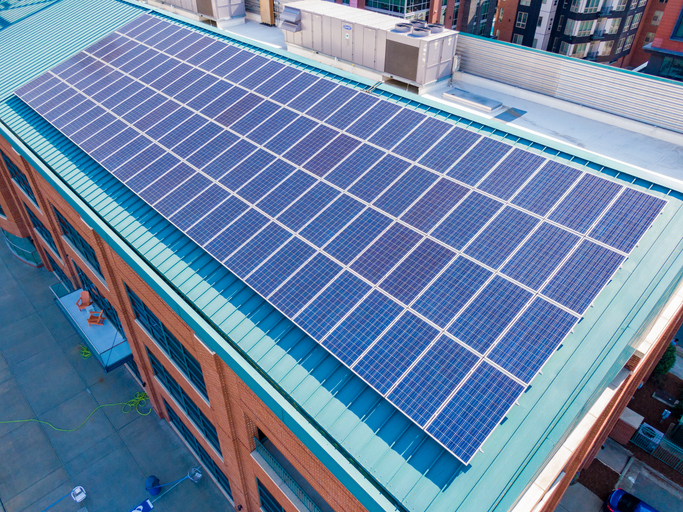
For Bay Area business owners, energy is no longer just a utility bill. It is a significant operating expense that can directly affect profitability. As utility rate structures evolve and power disruptions remain an operational risk in parts of California, delaying energy upgrades can create financial uncertainty. Transitioning to clean energy is not only an environmental decision. It is also a practical step toward improving long-term energy cost predictability.
Managing Rising Fixed Costs and Peak Demand Charges
Utility billing in California has changed in recent years, with a greater emphasis on fixed base service charges. While the cost per kilowatt-hour can fluctuate, these fixed fees increase the portion of your bill that does not change with usage. For high-usage businesses, this shift makes on-site energy generation an increasingly valuable cost-management strategy.
By producing electricity on-site, businesses can reduce the usage portion of their utility bills and offset some of the impact of rising fixed costs. Commercial solar systems can also help reduce peak demand, which is often the most expensive electricity a business purchases during periods of high usage. This approach can improve cost stability compared with relying entirely on grid power.
Key advantages of on-site solar generation may include:
- Reducing peak demand charges during high-usage periods
- Offsetting a portion of monthly utility service costs
- Generating electricity during daylight hours when energy demand is often highest
- Supporting long-term budgeting by reducing exposure to utility rate changes
Navigating the Federal Tax Credit Landscape
One of the most important financial incentives available to businesses is the federal Investment Tax Credit. Eligible commercial solar and battery storage projects can currently qualify for a federal tax credit equal to 30 percent of qualified installation costs. This credit directly reduces federal tax liability.
To maximize available incentives, projects must be carefully planned and scheduled. Systems are typically required to be placed in service within the applicable tax year or meet construction timing requirements defined by federal guidelines. Because engineering, permitting, and utility interconnection in the Bay Area can take several months, starting the process early helps ensure project timelines align with financial goals.
The current financial landscape for businesses may include:
- The 30 percent Investment Tax Credit for qualifying solar equipment and energy storage systems
- Bonus depreciation, which may allow businesses to deduct a large portion of system costs in the first year, depending on current tax rules
- USDA REAP grants for eligible rural small businesses, which can cover a substantial portion of total project costs
- Additional 10 percent incentive for projects using qualifying domestic equipment or located in designated energy communities
Maximizing Value Under NEM 3.0 With Battery Storage
California now operates under the Net Billing Tariff, commonly known as NEM 3.0, which changed how exported solar energy is credited. Under this structure, storing excess energy for later use can significantly improve the financial performance of a solar system.
Battery storage is not required for commercial solar installations, but it is often recommended for businesses seeking stronger returns. Instead of sending unused electricity back to the grid at lower credit rates, stored energy can be used during higher-cost evening hours, which typically occur between 4 PM and 9 PM.
Modern battery systems can also support operational continuity during outages by providing backup power for essential equipment and systems.
Benefits of a solar-plus-storage system may include:
- Reducing demand charges by using stored power during peak usage periods
- Providing backup power to help maintain operations during grid interruptions
- Increasing on-site use of the energy your system produces
- Allowing battery equipment to qualify for the same federal tax credit as solar panels when installed together
Supporting Long-Term Business Stability
Utility costs are an ongoing operational expense for every business. Investing in energy infrastructure can help convert part of that expense into a long-term asset. Depending on system size, incentives, and energy usage, many commercial solar projects achieve payback within approximately five to ten years.
In competitive markets such as the Bay Area, managing operating costs is essential. Improving energy cost predictability can provide a financial advantage and support more reliable long-term planning.
Beyond financial considerations, many customers and employees value businesses that demonstrate responsible energy practices. Adopting renewable energy can strengthen brand reputation, support sustainability goals, and align with community expectations.
The Technical Path to Commercial Solar
A commercial solar installation requires careful planning and technical expertise. Successful projects depend on accurate evaluation of building structure, electrical capacity, permitting requirements, and local regulations. Each facility has unique operational needs, so system design should be tailored to the specific property and business objectives.
At Cobalt Power Systems Inc, we help local companies secure their energy future through professional project design and engineering. Our team manages every phase of the process, from the initial site assessment to permitting and utility coordination. We focus on building reliable systems that maximize available incentives and support long-term performance.
The opportunity to take advantage of current tax incentives remains available. Contact Cobalt Power Systems Inc at (650) 817-7791 or visit our online contact form to schedule a professional evaluation and explore your energy options.